


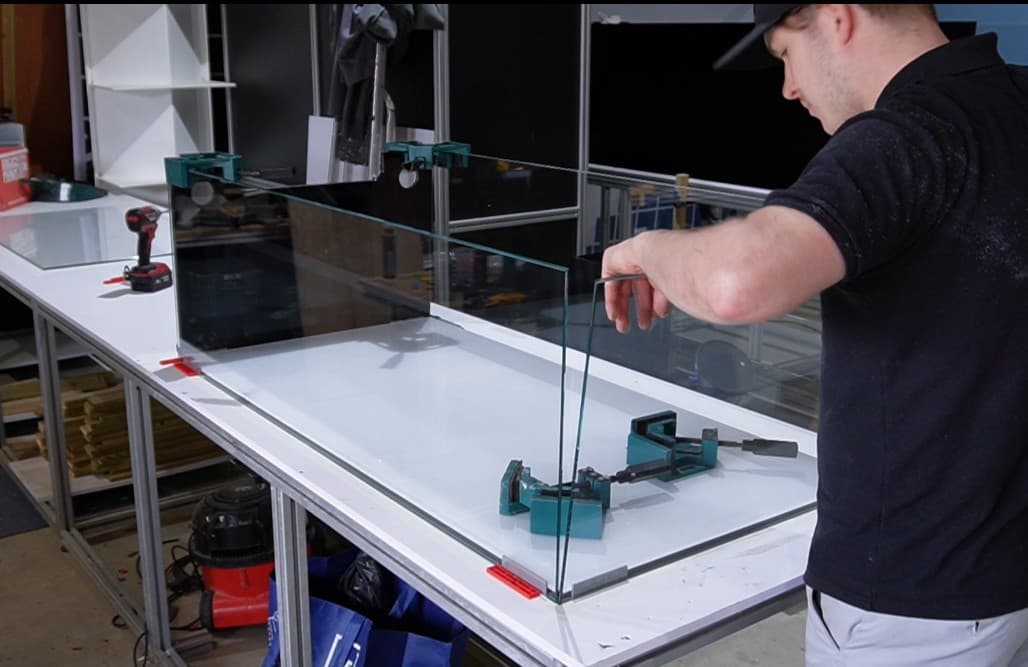
How To Design An Awesome Bespoke Aquarium (Step-By-Step Guide)
Designing a bespoke aquarium is one of the most powerful ways to transform a space. Done right, it becomes more than just a fish tank. It’s a living, breathing centrepiece that blends interior design, engineering, and nature into one seamless feature.
But here’s the reality: A bespoke aquarium isn’t something you want to improvise. Poor planning can lead to structural issues, expensive repairs, or ongoing maintenance problems. The best results come from a structured, well-thought-out design process.
This guide walks you through that process step by step so you can go from idea to installation.
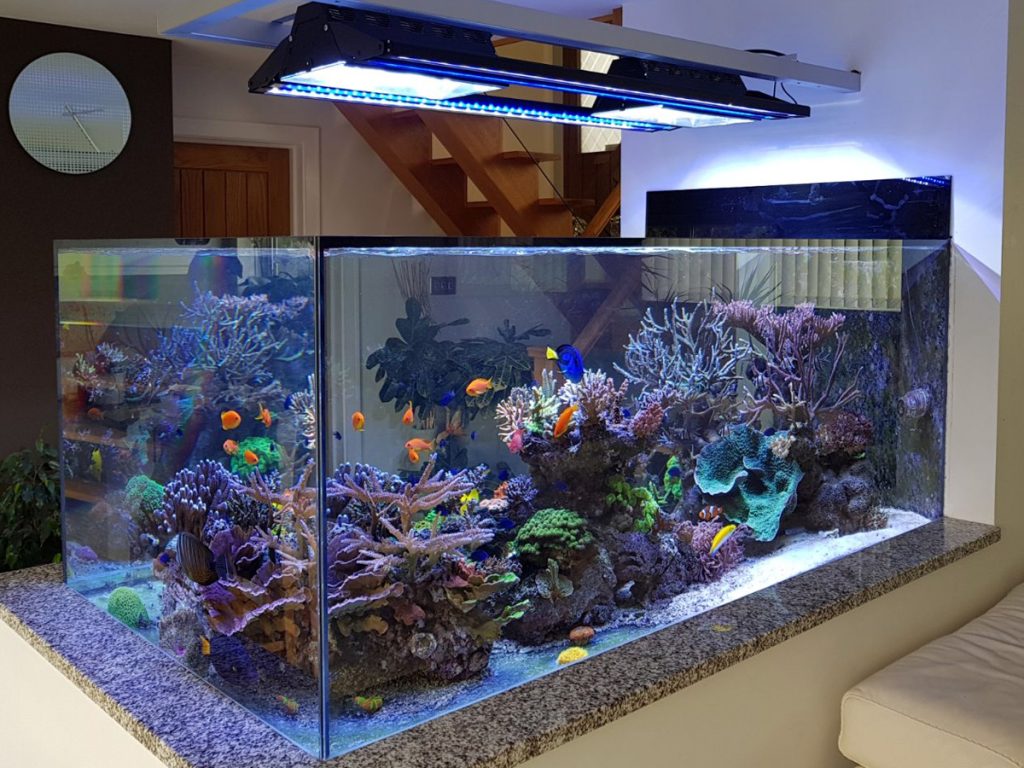
Step 1: Define Your Vision and Purpose
Before thinking about sizes, materials, or fish species, you need to answer a simple question:
Why do you want a bespoke aquarium?
Common reasons include:
- Creating a luxury centre point
- Dividing space in open-plan areas
- Enhancing commercial environments
- Being interested in the hobby
Ask yourself:
- Do I have a designated area in which I would like to build my aquarium?
- Should I build it into a wall or do I want a freestanding system?
- Do I have the time to maintain the system?
Step 2: Assess Your Space
A bespoke aquarium must work with your space—not against it.
Dimensions and Placement
- Measure wall and floor space. As obvious as this seems, you need to measure again and again to make sure that your system will 100% fit your space.
- Consider structural load, the weight of the water will add up rapidly so assure you have significant support below.
- Account for ceiling height. Remember that your aquarium may need space for your lights to hang too!
Lighting Conditions
- Avoid direct sunlight
- Prevent algae growth and overheating
Access to Utilities
- Electronics: You are going to usually need a minimum of 3 double sockets. This will vary depending on the size of your aquarium, but there are also numerous products on the market that can help if you have limited supply, such as the Apex Units and Aquarium Plug bars.
- Water access (RO unit if possible)
- Drainage (if possible)
Step 3: Choose the Bespoke Aquarium Type
Wall-Mounted Aquariums
Built into walls for a seamless look. This is one of the most common aquarium builds for a good reason – A statement to any home.
Room Divider Aquariums
Separate spaces while maintaining openness. We would usually recommend this style of aquarium to a customer who has an open-plan space with two rooms within it. An example of this may be putting one in-between a kitchen and a living room.
Freestanding Feature Tanks
Bold, statement pieces. If you have the real estate to be able to have a grand freestanding aquarium then this will be a great option for you. One of the benefits of having a freestanding aquarium is you can appreciate the depth of the aquarium more.
In-Furniture Aquariums
Integrated into cabinetry or desks. If you are looking for a seamless build that slots into your existing home, this is the way to go.
Corner or Wraparound Designs
Maximise unused space creatively.
Step 4: Select the Right Material (Glass vs Acrylic)
Glass Aquariums
Pros:
- Scratch-resistant
- Clear visibility (Low Iron Float)
Cons:
- Heavy
- Limited shapes
Acrylic Aquariums
Pros:
- Lightweight
- Flexible shapes
Cons:
- Scratches more easily
- Higher cost
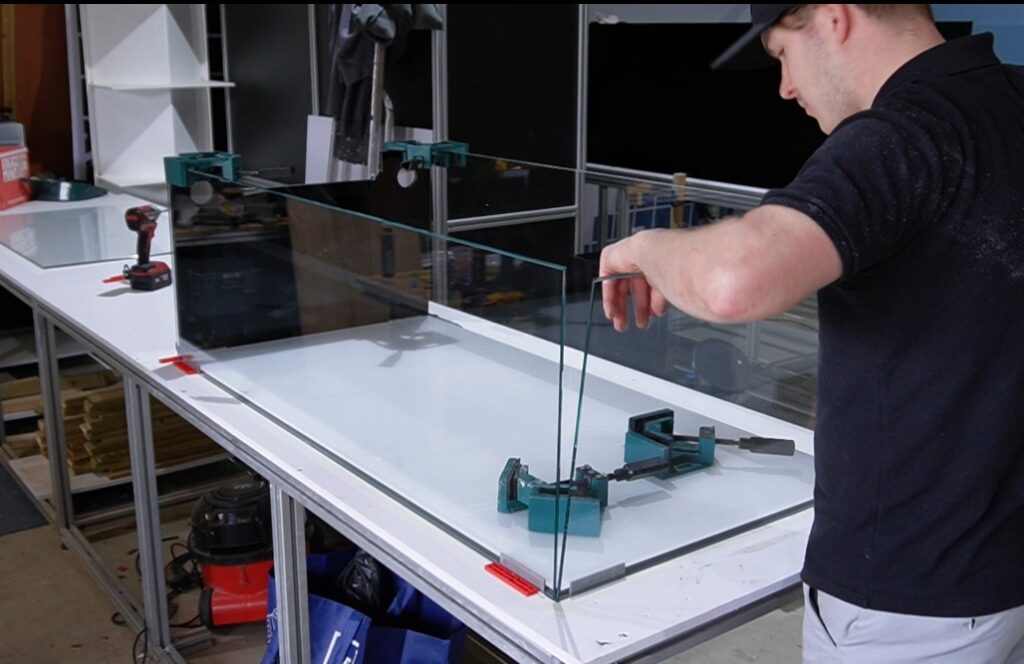
Step 5: Plan the Technical Systems
Filtration System
- Mechanical
- Biological
- Chemical
Heating and Temperature Control
Lighting System
- LED (most popular) – These have taken the market by storm as they have provided hobbyists with an affordable, quiet and cool alternative to bulbs.
- Programmable settings – You can set easy, repeatable schedules, often controllable from your mobile device which is an absolute lifesaver!
Water Circulation
It is imperative that you supply your aquarium with a reasonable amount of flow, the corals and fish simply need it to survive. Many people will double up on their flow – They do this by pairing their main return pump with a couple of flow pumps on the side, or perhaps a gyre.
Hidden Equipment Design
When designing your system, it is important that you think about including a way of hiding all of your cables. Not only do you not want your beautiful aquarium littered with eyesores (lighting cables/flow pumps) but you also do not want to run the risk of potentially damaging them! We have written a feature previously on Aquarium Dry Boxes, they are currently a leading solution to this issue.
Step 6: Decide Between Freshwater or Marine
Freshwater Aquariums
- Easier to maintain
- Lower upfront and ongoing cost
Marine (Saltwater) Aquariums
- More visually striking
- Higher complexity
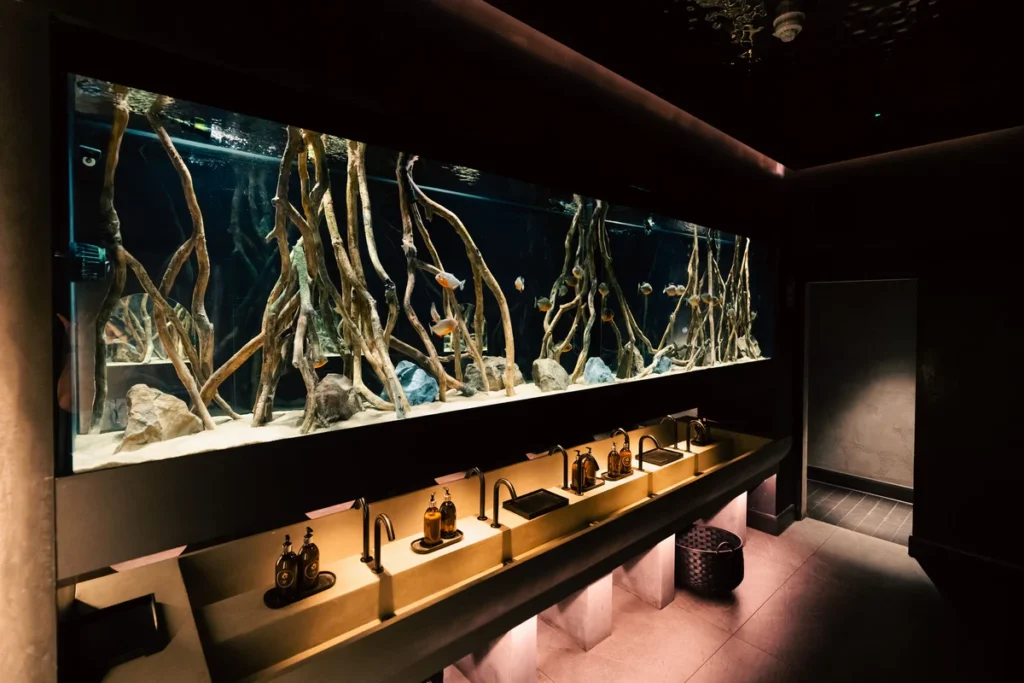
Step 7: Choose Fish and Livestock
Things to Consider
- Compatibility – You will need to evaluate what sort of corals you would like to include (if you take the marine route). There are some species of fish that can actually eat coral, an expensive dinner!
- Tank size – You need to ensure you will have the correct space for the fish to grow and thrive.
- Behaviour – Similar to compatibility, you will have to evaluate what sort of fish you would like to keep. Quite often certain species will actually butt heads in a confined aquarium, usually to establish hierarchy.
Common Mistakes
- Overstocking
- Mixing incompatible species
- Choosing based only on looks
Step 8: Budget Realistically
Typical UK Pricing
- Small: £2,000 – £5,000
- Medium: £5,000 – £15,000
- Large: £15,000+
Step 9: Work With Professionals
Benefits
- Expert design – Experience will ultimately come out on top, you should work with a reputable company who can provide you a professional service (not the cheapest company!).
- Proper installation – Having a professional team will subdue any headaches that you may face when commissioning your tank.
- Long-term support

Common Design Mistakes to Avoid
- Poor placement
- Rushed site surveys – You don’t want to spoil your delivery day by realising that you didn’t actually measure your front door.
- Underestimating weight – Water is heavy, consider protecting your floor and contacting structural engineers if you are worried.
- Rushing cladding colour choice. You’d be surprised, this does happen!
- Prioritising looks over function
Final Thoughts
Designing a bespoke aquarium is a balance of creativity and technical planning. When done correctly, it becomes a stunning, long-lasting feature that enhances your space and creates a unique atmosphere.
FAQs
How long does it take to design a bespoke aquarium?
Typically, 3–5 weeks.
Can I design one myself?
Yes, but professionals are recommended.
What’s the biggest cost factor?
Size and system complexity.
Is maintenance difficult?
Not with proper design and modern automation – There are also plenty of maintenance packages available if you would rather not get your hands dirty.